by Jamie Thompson
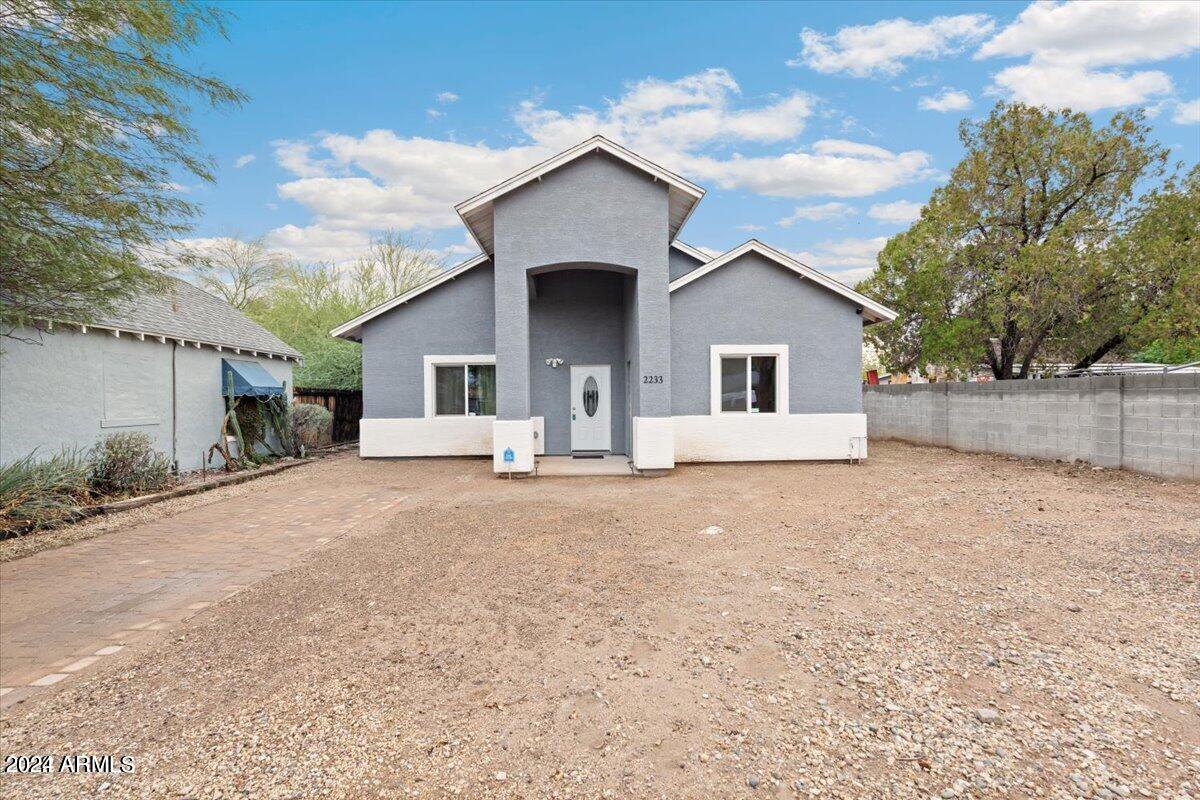
Buying Homes With No Down Payment: a Complete Guide
When it comes to navigating the realm of real estate without the traditional down payment in hand, the landscape can appear both intriguing and daunting. The idea of purchasing a home without a significant upfront cost seems almost too good to be true, leading many to wonder about the feasibility and practicality of such a venture. This is where the expertise of top realtors Tempe AZ becomes invaluable. But as we explore the various avenues and strategies available for buying homes with no down payment, a clearer picture emerges, shedding light on the possibilities and potential pitfalls that await prospective buyers in this unconventional path to homeownership. Top realtors Tempe AZ can provide guidance on programs and options that may allow for a no down payment purchase, while also offering insights into the long-term implications and responsibilities associated with such an approach.
First-Time Home Buyer Down Payments
As first-time home buyers, we often wonder about the down payment required when purchasing a home. It can be daunting to save up a substantial amount, but there are options available to help us achieve our homeownership dreams. First-time home buyer programs are designed to assist individuals like us in purchasing a home with little to no down payment. These programs offer various benefits, such as lower interest rates and reduced closing costs, making it easier for us to secure a mortgage.
Additionally, some mortgage lenders offer no-down-payment mortgages, allowing us to buy a home without having to put money down upfront. This can be a great option for those of us who may not have substantial savings but are eager to own a home. Moreover, down payment assistance programs can provide financial support to help cover the upfront costs of purchasing a home, making it more accessible for us.
When considering these options, our credit score plays a crucial role in determining eligibility and the terms of our mortgage. A good credit score can increase our chances of qualifying for these programs and securing favorable loan terms. Therefore, it's essential to review our credit report, address any issues, and work on improving our credit score before applying for a mortgage.
What Is a Down Payment?
When buying a home, a down payment is the initial payment made to secure the property. It's typically a percentage of the total purchase price.
Our understanding of down payments is crucial for navigating the home buying process successfully.
Down Payment Basics
Understanding the concept of a down payment is essential when considering buying a home. A down payment is the initial payment made towards the purchase price of a property.
Here are four key points to consider when dealing with down payments:
- Mortgage Requirement: Most lenders require a down payment to secure a mortgage.
- No-Money-Down Mortgage: Some programs offer no-money-down mortgages for eligible homebuyers.
- Conventional Loan: With a conventional loan, a down payment is typically necessary.
- Homebuyer Savings: Saving for a down payment is crucial for many prospective homebuyers.
First-Time Home Buyer Strategies
Typically, first-time home buyers benefit from researching various strategies to make informed decisions. For a first-time homebuyer, navigating the real estate market can be overwhelming. Understanding down payment assistance programs, exploring options for no-down-payment loans, and learning about government-backed loans are crucial steps in the home buying process. Additionally, assessing mortgage eligibility is key to determining the financial feasibility of purchasing a home. By familiarizing themselves with these strategies, first-time buyers can feel more confident and prepared when entering the housing market.
These strategies provide valuable insights for first-time homebuyers looking to make their dream of homeownership a reality.
Loan Programs for First-Time Buyers
Let's explore the various loan programs designed specifically for first-time homebuyers. These programs offer favorable terms and often require lower down payments, making homeownership more accessible.
Understanding the options available can help first-time buyers navigate the home buying process with confidence.
First-Time Buyer Programs
First-time buyer programs offer specialized loan options tailored to individuals purchasing their first home. These programs aim to assist first-time home buyers in overcoming financial barriers such as down payments. Here are four key aspects to consider when exploring first-time buyer programs:
- Down Payment Assistance Programs: Many first-time buyer programs provide assistance with the down payment, making homeownership more accessible.
- Zero-Down Mortgages: Some programs offer zero-down mortgage options, eliminating the need for a down payment entirely.
- Government-Backed Mortgages: Certain first-time buyer programs are backed by the government, providing added security for lenders and borrowers.
- Specialized Loan Options: These programs often feature unique loan structures and terms tailored to the needs of first-time home buyers.
FHA Loans Down Payment
Securing an FHA loan allows homebuyers to potentially purchase a home with a lower down payment requirement. FHA loans are popular among first-time buyers due to their more lenient credit score requirements and down payment options. With an FHA loan, you may be able to buy a home with as little as 3.5% down, making it an attractive financing option for those who may not have a large sum saved up for a down payment. This lower down payment requirement can help make homeownership more accessible to a wider range of individuals.
Additionally, FHA loans offer competitive interest rates and flexible qualification criteria, further enhancing their appeal to prospective home buyers. When exploring home buying and financing options, considering an FHA loan with its low down payment and accessible terms can be a smart choice for those looking to step into homeownership with minimal upfront costs.
VA Loans No Down Payment
When considering VA loans, homebuyers can potentially purchase a home without the need for a down payment. This benefit is especially advantageous for active-duty service members and veterans.
Here are some key points to understand about VA loans:
- No Down Payment: VA loans offer the unique advantage of not requiring a down payment, making homeownership more accessible to those who may not have substantial savings for a down payment.
- Active-Duty Service Member: Active-duty service members can take advantage of VA loans, but they must meet specific eligibility requirements related to their length of service.
- Eligibility Requirements: To qualify for a VA loan, individuals must meet certain eligibility requirements, such as serving a minimum period of active duty or being a veteran with an honorable discharge.
- Mortgage Options: VA loans provide various mortgage options, including fixed-rate and adjustable-rate mortgages, giving borrowers flexibility in choosing the right loan for their needs.
USDA Loans No Down Payment
Obtaining USDA loans allows homebuyers to secure a property without the necessity of a down payment, offering a favorable option for those seeking affordable homeownership. USDA loans are designed to help individuals in rural and suburban areas purchase homes with attractive terms. Here is a breakdown of key points regarding USDA loans:
These loans can be an excellent choice for those who meet the income and location requirements. The USDA loan program aims to promote homeownership in less densely populated areas by providing accessible financing options. By offering no down payment requirements, it opens doors for prospective buyers who may not have substantial savings for a down payment. When considering buying a home, exploring USDA loans can be a significant step towards achieving homeownership without the initial financial burden of a down payment.
Conventional 97 Loans
Exploring the benefits of Conventional 97 Loans can provide valuable insights for potential homebuyers looking to secure a property with a low down payment option. These loans offer a down payment as low as 3%, making homeownership more accessible.
Here are some key points to consider:
- Minimum Down Payment: With Conventional 97 Loans, you only need to put down 3% of the home's purchase price, which can be beneficial for those who don't have substantial savings for a traditional 20% down payment.
- Loan Requirements: To qualify for a Conventional 97 Loan, you typically need a credit score of 620 or higher. Meeting the lender's debt-to-income ratio requirements is also crucial for approval.
- Mortgage Insurance Premium: Borrowers with a Conventional 97 Loan are required to pay a mortgage insurance premium. However, unlike FHA loans, this premium can be canceled once the loan-to-value ratio reaches 80%.
- Down Payment Assistance: Some programs and grants offer down payment assistance for Conventional 97 Loans, helping buyers further reduce their upfront costs and achieve homeownership.
Homeready and Home Possible Mortgage
Let's explore Homeready and Home Possible Mortgage options as they offer low down payment choices. These programs are designed to assist homebuyers with limited funds for a down payment.
They provide opportunities for qualifying buyers to achieve homeownership with more manageable upfront costs.
Low Down Payment Options
When considering low down payment options for purchasing a home, it's beneficial to explore programs such as Homeready and Home Possible Mortgage. These options provide avenues for individuals to achieve homeownership with minimal upfront costs.
Here are some key strategies to assist in navigating low down payment options:
- Utilize mortgage loans tailored for low down payments.
- Explore down payment assistance programs available in your area.
- Consider low-interest loans to minimize long-term costs.
- Negotiate seller concessions to help cover closing costs.
Buying a Second Home
We found a perfect second home without needing a down payment. When looking for a second home, it's essential to consider its potential uses. Some may view a second home as an investment property, aiming to generate rental income. Others may seek a vacation property to enjoy getaways with family and friends. Regardless of the purpose, understanding the income potential of the second home is crucial.
Investment properties can offer a steady income stream through rental properties. Choosing the right location and property type can significantly impact the rental income generated. Vacation properties, on the other hand, provide a personal retreat while also having the potential to be rented out when not in use. This dual-purpose approach can help offset the costs of owning a second home.
Before diving into purchasing a second home, evaluating the income potential and intended use is vital. This careful consideration can guide the selection process and ensure the second home aligns with your goals and financial strategy.
Financing a Second Home Purchase
Let's look at the various loan options available for purchasing a second home. Understanding the different financing choices can help us make informed decisions about our second home purchase.
It's important to explore these options thoroughly to find the best fit for our financial situation.
Second Home Loan Options
Exploring second home loan options can provide you with various financing choices for purchasing a second property. When considering financing for a second home, here are some key loan options to keep in mind:
- Conventional Loans: These typically require a down payment, making them suitable for those with solid credit and financial stability.
- Home Equity Loan: Utilizing the equity in your primary residence to finance the down payment for your second home.
- HELOC (Home Equity Line of Credit): Another option leveraging your home equity, allowing flexibility in borrowing against the equity when needed.
- Portfolio Loans: Offered by smaller banks or credit unions, these loans consider your entire financial picture, making them useful for real estate investing or unique financial situations.
Government-Backed Loan Options
Government-backed loan options provide a viable alternative for homebuyers seeking to purchase a property without a down payment. Three popular government-backed loan options that allow for a zero down payment are the FHA loan, VA loan, and USDA loan.
The Federal Housing Administration (FHA) loan is a well-known option for first-time homebuyers. With an FHA loan, individuals can secure a mortgage with a down payment as low as 3.5%. This makes it an attractive choice for those who may not have substantial savings for a down payment.
Veterans and active-duty service members can benefit from the VA loan program, which offers the opportunity to purchase a home with no down payment. This valuable benefit helps military personnel achieve homeownership more easily.
Additionally, the USDA loan, backed by the U.S. Department of Agriculture, provides eligible rural homebuyers with the chance to buy a home with no down payment required. This option aims to promote homeownership in rural areas and make it more accessible to a wider range of individuals.
Buying a Home With No Money Down
Let's explore the possibility of purchasing a home without any down payment. This option opens up the doors to homeownership for many who may not have substantial savings.
Zero down payment options can provide an accessible path to owning a home sooner than expected.
Zero Down Payment Options
Zero down payment options provide prospective homebuyers with the opportunity to purchase a home without having to put any money down upfront. These options can make homeownership more accessible, especially for first-time buyers.
Here are some ways to buy a home with no down payment:
- Loan Programs: Look into government-backed loan programs like VA loans or USDA loans that offer zero down payment options.
- Down Payment Assistance Programs: Some states or local organizations provide assistance with down payments, helping you secure a home with no money down.
- First-Time Homebuyer Programs: These programs often offer perks such as no down payment or low down payment options for those buying their first home.
- No Down Payment Mortgages: Explore lenders that specialize in no down payment mortgages to find the right fit for your situation.
No Down Payment Mortgage Options
When looking to purchase a home without a down payment, exploring various mortgage options can be a beneficial starting point. For eligible buyers seeking no down payment solutions, several mortgage options exist to provide assistance. One common choice is the VA loan, which offers zero down payment options exclusively for veterans, active-duty service members, and certain military spouses.
Additionally, the USDA loan caters to low to moderate-income borrowers in rural areas, providing financing with no down payment requirement.
FHA loans are another popular choice for no down payment mortgages, requiring only a 3.5% down payment, which can be gifted by family members or through approved down payment assistance programs. These options widen the pool of loan borrowers who can achieve homeownership without the initial burden of a down payment.
Understanding the nuances of these mortgage options can empower potential buyers to make informed decisions when embarking on their homeownership journey.
Can you buy a second home with no down payment?
Yes, it's possible to buy a second home with no down payment in certain situations. However, eligibility criteria can vary depending on factors such as credit score, income stability, and the type of loan program available.
Understanding the specific requirements and options for no down payment second home purchases is crucial for prospective buyers.
Second Home Down Payment
One may wonder if acquiring a second home without a down payment is a feasible option. When it comes to purchasing a second home, the no down payment option is less common compared to primary residences. However, there are ways to make it happen with certain loan types and strategies.
- Explore loan types: Look into specialized loan programs that cater to second home purchases.
- Consider a higher interest rate: Some lenders may offer loans with no down payment but at a slightly higher interest rate.
- Use equity from your primary residence: If you have significant equity in your primary residence, you could use it for the down payment on your second home.
- Negotiate with the seller: In some cases, you may be able to negotiate a deal with the seller where they cover closing costs or provide financing options.
Key Takeaways
-
Explore government-backed loan programs like VA and USDA for zero down payment options.
-
Utilize down payment assistance programs for accessible home buying.
-
Consider specialized lenders offering no down payment mortgages.
-
Negotiate seller concessions to cover closing costs and reduce upfront expenses.
Frequently Asked Questions
Are There Any Special Considerations or Requirements for Buying a Home With No Down Payment if You Are Self-Employed?
When self-employed, special considerations may apply when buying a home with no down payment. It's crucial to have a strong credit history, stable income, and sufficient reserves. Lenders may require additional documentation to verify income and business stability.
How Can I Improve My Chances of Being Approved for a No Down Payment Mortgage if I Have a Lower Credit Score?
To boost our odds for approval with a lower credit score for a no down payment mortgage, we can focus on improving our credit health by paying bills on time, reducing debt, and checking for errors.
Are There Any Potential Drawbacks or Risks Associated With Buying a Home With No Down Payment?
Yes, there are potential drawbacks and risks associated with buying a home with no down payment. These may include higher interest rates, private mortgage insurance costs, limited equity, and being at risk if property values decrease.
Can I Use Gift Funds From a Family Member or Friend to Cover the Down Payment for a No Down Payment Mortgage?
Absolutely! We can indeed use gift funds from a generous family member or friend to cover the down payment for a no down payment mortgage. It's a fantastic way to make homeownership more accessible.
Are There Any Restrictions on the Types of Properties That Can Be Purchased With a No Down Payment Mortgage, Such as Condos or Multi-Family Homes?
Yes, there are restrictions on the types of properties that can be purchased with a no down payment mortgage. Some lenders may limit the options to single-family homes or condos. It's essential to check with your lender for specific guidelines.
Conclusion
While buying a home with no down payment may seem like a dream, it's possible with the right strategies and loan programs. From FHA loans to government-backed options, there are ways to make homeownership a reality without breaking the bank. So, whether you're a first-time buyer or looking to purchase a second home, there are no excuses to not explore your options and take the leap into homeownership. For insights into buying a home, including credit scores, tax debts, and warranties explained, visit our page Buying a Home: Credit Scores, Tax Debts, and Warranties Explained.
